The Investigation That Disappeared - When Inquiries Get Quietly Shelved
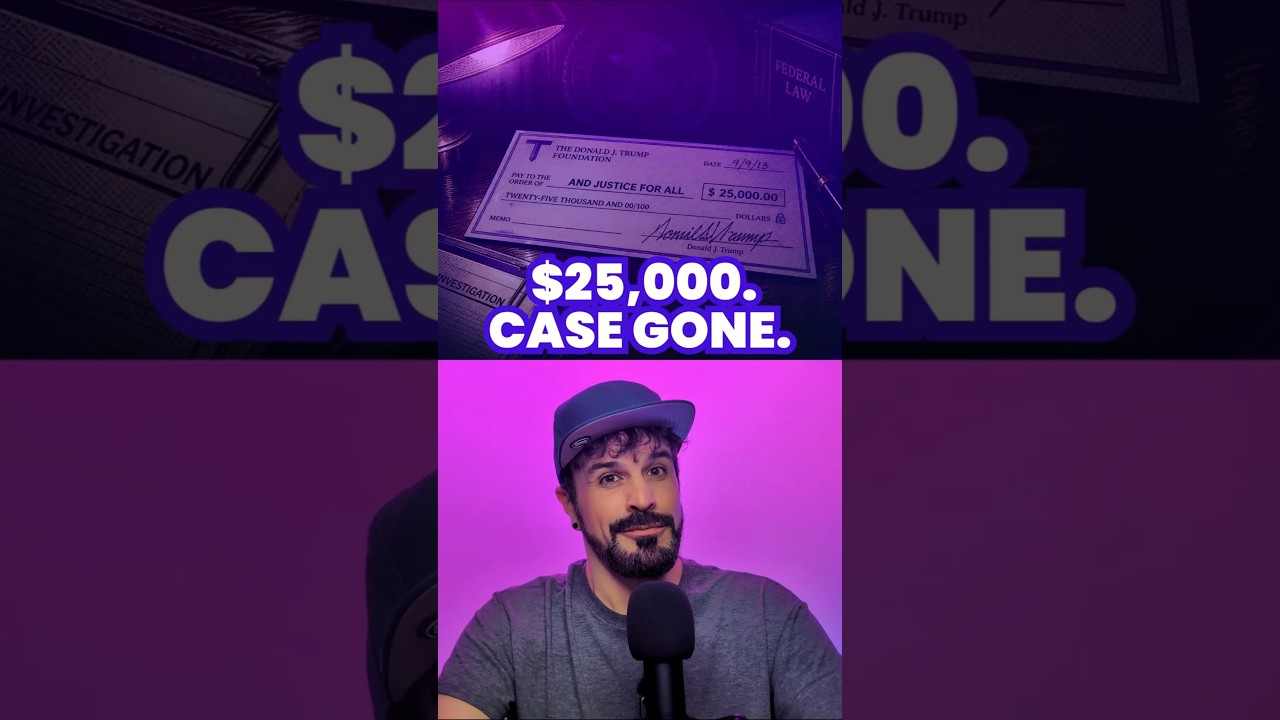 Some investigations end with findings. Others just end. This one falls into the second category, and the way it vanished tells you more than the report ever would have.
When Silence Is The Strategy
Investigations are supposed to follow a pattern. Launch, gather evidence, publish findings, implement reforms. The public version, anyway. But sometimes an inquiry gets far enough to make people uncomfortable, and that's when the script changes. This one started with momentum. Press conferences. Subpoenas. The language of accountability. Then the updates slowed. Briefings got vague. Eventually, the whole thing just stopped appearing in official channels. No formal closure. No summary report. Just a quiet redirect of resources and a few key personnel rotated to different departments. If you weren't watching closely, you'd never know it had been a priority at all.The Mechanics Of Forgetting
Burying an investigation doesn't require a conspiracy. It just requires inertia and a lack of public pressure. When the news cycle moves on, so does the institutional attention. Committees dissolve. Witnesses become unavailable. Documents get reclassified or lost in procedural limbo. The people who launched it move to other roles. The new leadership inherits a half-finished file they didn't commission and have no incentive to complete. Wrapping it up means reopening questions that powerful interests would prefer stay closed. So it sits. Technically still open, practically abandoned. And because it was never formally killed, there's no scandal in its disappearance. Just a slow fade that nobody has to explain.What Gets Left Behind
The absence of a conclusion is its own kind of answer. When an investigation vanishes without findings, it usually means the findings would have been inconvenient. Not necessarily criminal, just politically or economically messy enough that all sides benefit more from silence than exposure. The evidence doesn't disappear. It just becomes inaccessible. Locked in archives, sealed by classification, or scattered across jurisdictions that won't coordinate. Future researchers might piece it together decades later, but by then the people responsible are retired or dead. For now, it's a gap in the record. A question that was asked loudly and then answered with nothing at all, which tells you everything you need to know about who had the power to make it go away.More where that came from
The stories that get quietly shelved
Economy. Policy. The numbers behind the headlines - from the outside looking in.
Subscribe on YouTube

Comments
Post a Comment